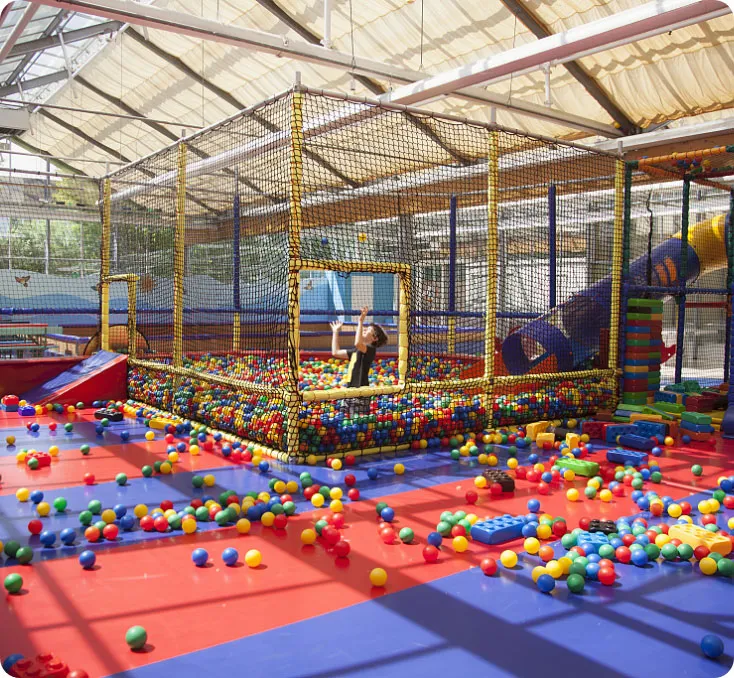
How to start children park business
Starting a children’s park business requires a strategic blend of market research, creative site planning, and the selection of high-quality equipment that meets modern safety standards. By focusing on a unique theme and integrating diverse attractions—from classic carousels to high-tech carnival rides—you can create a sustainable, high-traffic destination.
The global demand for family entertainment centers (FECs) and outdoor children’s parks has seen a massive resurgence. Parents today are looking for more than just a playground; they are searching for “staycation” destinations that offer safety, physical engagement, and “Instagrammable” aesthetics. Whether you are an individual entrepreneur looking to open your first boutique park or an established park owner looking to expand your portfolio, the blueprint for success has shifted toward integrated experiences.
In this guide, we will walk you through the essential steps of launching a children’s park business. From the initial conceptualization and land acquisition to selecting the right equipment and navigating the complexities of maintenance, this comprehensive roadmap is designed to ensure your venture is both profitable and beloved by your community. At Wanle, we specialize in turning these visions into reality through expert park planning and world-class equipment manufacturing.
Conducting Market Research and Defining Your Niche
Securing the Ideal Location and Site Layout
Comprehensive Park Planning and Design Strategies
Selecting the Right Equipment: From Carousels to Carnivals
Navigating Legal Requirements, Safety, and Insurance
Staffing, Operations, and Maintenance Services
Marketing Your Park for Maximum ROI
Frequently Asked Questions (FAQs)
Before you pour a single drop of concrete, you must understand who your visitors are and what they are missing. In the current landscape of 2026, the “cookie-cutter” playground is no longer enough to compete with digital entertainment. You need to define a specific niche that sets your park apart. Are you targeting toddlers (ages 2–5), school-aged children (6–12), or a multi-generational demographic that includes “kidults”?
Start by analyzing your local competition. Visit existing parks within a 50-mile radius. Take note of their peak hours, the condition of their equipment, and—most importantly—their customer complaints. Do they lack shaded seating for parents? Is their equipment outdated? Use these gaps as your market entry point. Data shows that integrated parks—those that combine physical play with “carnival-style” thrills—tend to have a 30% higher retention rate than standard playgrounds.
Your niche could be a “Nature-Tech Hybrid” park, a “Fantasy Kingdom,” or a “Mini-City Carnival.” Once you have a concept, validate it with your target audience. Use social media polls or local focus groups to ask parents what they desire. This data-driven approach ensures that when you invest in equipment, such as Wanle’s family-oriented rides, you are buying what the market actually wants. Remember, a successful park doesn’t just entertain kids; it solves a problem for parents by providing a safe, clean, and engaging environment.
2. Securing the Ideal Location and Site LayoutLocation is the heartbeat of your business. For a children’s park, visibility and accessibility are non-negotiable. You want a site that is easily reachable via major roads but shielded from heavy industrial noise or pollution. If you are looking at an indoor facility, high-traffic shopping malls remain a gold mine. For outdoor parks, proximity to residential suburbs or tourist hubs is ideal.
When evaluating a piece of land, consider the “three Ps”: Parking, Power, and Permitting. You need enough space for at least one parking spot for every three potential visitors. For power, modern amusement rides—especially those with advanced lighting and sound systems—require robust electrical infrastructure. Check the local zoning laws early; some areas have strict noise ordinances that might limit your choice of high-energy carnival music or mechanical rides.
The layout of your site should follow a “Flow and Zone” philosophy. You don’t want your high-speed mechanical rides right next to the toddler soft-play area. Create distinct zones:
The Welcome Zone: Ticketing, lockers, and clear signage.
The Energy Zone: High-thrill carnival equipment and carousels.
The Relax Zone: Shaded areas, cafes, and seating for guardians.
The Service Zone: Restrooms and first aid.
At Wanle, our park planning services emphasize the importance of “sightlines.” Parents should be able to see their children from most seating areas. A well-planned layout reduces congestion and increases the time (and money) spent inside the park.
3. Comprehensive Park Planning and Design StrategiesDesign is where your brand identity comes to life. In 2026, the trend is “Immersive Theming.” This means every trash can, bench, and fence should fit within your chosen story. If your theme is “Ocean Adventure,” your carousel should feature sea creatures, and your flooring should be blue safety rubber that mimics water.
Good design also accounts for the “Capacity per Hour” (CPH). You need to balance your budget between “anchor attractions” (the big rides that draw people in) and “high-capacity fillers” (playground structures that handle many kids at once). A bottleneck at one popular ride can ruin a visitor’s experience. Use a mix of mechanical rides and passive play structures to keep the crowd moving.
Sustainability is another critical design pillar. Use LED lighting for all equipment and consider permeable paving to manage rainwater. If you are designing an outdoor space, integrate natural elements like trees for shade and hills for topography. Wanle’s design team often works with park owners to create 3D renderings before any equipment is purchased. This allows you to visualize the guest journey—from the moment they see the bright lights of the Grand Carousel to the moment they stop at the gift shop on the way out. Design isn’t just about looking good; it’s about optimizing operational efficiency and safety.
4. Selecting the Right Equipment: From Carousels to CarnivalsThis is the most significant investment you will make. The quality of your equipment determines your maintenance costs, your insurance premiums, and your reputation. You need a mix of equipment that caters to different thrill levels.
The Core Equipment Categories| Equipment Type | Target Age | Value Proposition |
| Luxury Carousels | All Ages | The iconic centerpieces that provide high visual appeal. |
| Carnival Rides | 6 – 12 | Trackless trains, spinning cups, and mini-ferris wheels. |
| Family Equipment | Families | Interactive rides where parents and kids play together. |
| Soft Play / Slides | 2 – 6 | High-capacity, low-maintenance physical activity. |
When choosing a manufacturer, look for certifications like CE, TUV, or ASTM. Cheap equipment is expensive in the long run due to frequent breakdowns and safety risks. Wanle’s amusement equipment is engineered for durability and ease of service. For example, our carnival devices use modular components, meaning if one part needs a fix, the whole ride doesn’t have to stay closed for weeks.
In 2026, “Interactive Play” is the buzzword. Look for equipment that incorporates light-sensing technology or gamified elements. However, never underestimate the power of the classics. A beautifully crafted, brightly lit carousel remains the number one photo-op in any children’s park.
5. Navigating Legal Requirements, Safety, and InsuranceSafety is the foundation of the amusement industry. One accident can end a business overnight. You must comply with both international standards and local municipal codes. This involves rigorous testing of every mechanical component and structural integrity check of all installations.
First, secure your business licenses and “Permit to Operate” for amusement rides. Most jurisdictions require annual third-party inspections. You will also need comprehensive liability insurance. To get the best rates, show your insurance provider that you have a “Safety First” culture. This includes:
Daily Inspection Logs: Checking bolts, belts, and electronics every morning.
Operator Training: Ensuring every staff member knows how to hit the emergency stop button.
Soft Landings: Using certified pour-in-place rubber or engineered wood fiber under all high-motion areas.
Working with a reputable partner like Wanle provides peace of mind, as we offer installation and maintenance services that adhere to global safety protocols. We provide the documentation your inspectors will ask for, such as load-bearing certificates and material safety data sheets (MSDS). Remember, safety isn’t just a legal hurdle; it’s your brand’s promise to every parent who walks through your gates.
6. Staffing, Operations, and Maintenance ServicesA park is only as good as the people running it. Your staff are “Experience Ambassadors.” They need to be trained not just in ride operation, but in conflict resolution and first aid. For a mid-sized park, you will need a Park Manager, Ride Operators, Maintenance Technicians, and Guest Service staff.
Operational efficiency in 2026 relies heavily on technology. Implement a cashless payment system using RFID wristbands. This allows you to track which rides are the most popular in real-time and reduces the risk of theft. It also makes it easier for parents to set spending limits for their children.
Maintenance is the “invisible” part of the business that keeps the “visible” part profitable. You should have a two-tier maintenance strategy:
Preventative Maintenance: Scheduled cleaning, lubrication, and part replacements (e.g., checking the hydraulic systems on your Wanle family rides every month).
Reactive Maintenance: Having a technician on-call to fix minor issues immediately so rides don’t stay “Out of Order.”
Wanle’s maintenance support ensures that your downtime is minimized. We provide detailed manuals and remote technical support to help your local team keep the equipment running smoothly. High uptime equals high revenue.
7. Marketing Your Park for Maximum ROIIf you build it, they will come—but only if they know about it. Your marketing should begin three months before the grand opening. In 2026, social media marketing is driven by “Experience Content.” Instead of just posting photos of the rides, post videos of children laughing and families bonding.
Digital Strategies for Park Owners:
Google My Business (GMB): This is vital. Ensure your park shows up when someone searches “children’s activities near me.” Collect and respond to every review.
Influencer Partnerships: Invite local “Mommy Bloggers” and family influencers for a VIP “Pre-Opening” day. Their reels and stories will drive your initial ticket sales.
Tiered Membership: Offer “Season Passes.” These provide upfront cash flow and ensure repeat visits.
Event Hosting: Birthdays are the bread and butter of children’s parks. Create “All-Inclusive” birthday packages that include a private area, food, and unlimited rides on the carousel.
Don’t forget local SEO. Your website should be mobile-friendly and allow for easy online booking. Use keywords like “best family fun park,” “kids carnival rides,” and “safe playground equipment” to capture search traffic. By positioning your park as the premier destination for childhood memories, you create a brand that thrives on word-of-mouth.
8. Frequently Asked Questions (FAQs)Q1: How much capital do I need to start a children’s park?
The investment varies wildly based on size and location. A small indoor boutique park might start at $150,000, while a large-scale outdoor park with multiple Wanle carnival rides can exceed $1 million. Land, equipment, and initial marketing are your biggest costs.
Q2: How long does it take to see a return on investment (ROI)?
Most well-managed children’s parks see a break-even point within 18 to 36 months. High-margin items like birthday parties, food and beverage sales, and merchandise significantly accelerate this timeline.
Q3: Can I customize the design of my amusement equipment?
Absolutely. At Wanle, we encourage customization. Whether you need a specific color scheme to match your branding or a custom-themed carousel, we can adapt the aesthetics while maintaining structural safety.
Q4: What are the most popular rides for 2026?
Family-centric rides are currently leading the market. Specifically, “Trackless Trains” and interactive “Spinning Cups” are highly popular because they allow parents to ride alongside their children, creating a shared experience.
Q5: How do I handle park maintenance if I’m not a technician?
You don’t need to be an engineer to own a park. You can hire a local technician or use Wanle’s professional maintenance and installation services. We provide training for your on-site staff so they can handle daily checks confidently.