What are fairgrounds?
The concept of fairgrounds dates back centuries, rooted in medieval European markets and fairs where merchants gathered to trade goods. Over time, these events evolved into social gatherings, incorporating entertainment like acrobatics, music, and rides. By the 19th century, the Industrial Revolution spurred technological advancements, leading to the development of mechanical rides such as carousels and Ferris wheels. These innovations transformed fairgrounds into amusement parks, with traveling showmen setting up temporary attractions at fairs and festivals.
Modern FairgroundsToday, fairgrounds are a global phenomenon, featuring state-of-the-art rides, immersive game booths, and diverse food options. They are often seasonal, appearing during holidays like summer, Christmas, or local cultural festivals. Modern fairgrounds prioritize safety, with strict regulations ensuring that all rides and games meet international standards. Despite their temporary nature, they offer a full-scale amusement park experience, complete with themed areas, live performances, and interactive activities.
Attractions Found at FairgroundsMechanical RidesMechanical rides are the heart of fairgrounds, offering thrills for all ages. Some popular options include:
Roller Coasters: These high-speed attractions are designed for adrenaline seekers, featuring steep drops, loops, and sharp turns.
Bouncers: Inflatable castles and slides provide a fun, safe environment for children to play and burn off energy.
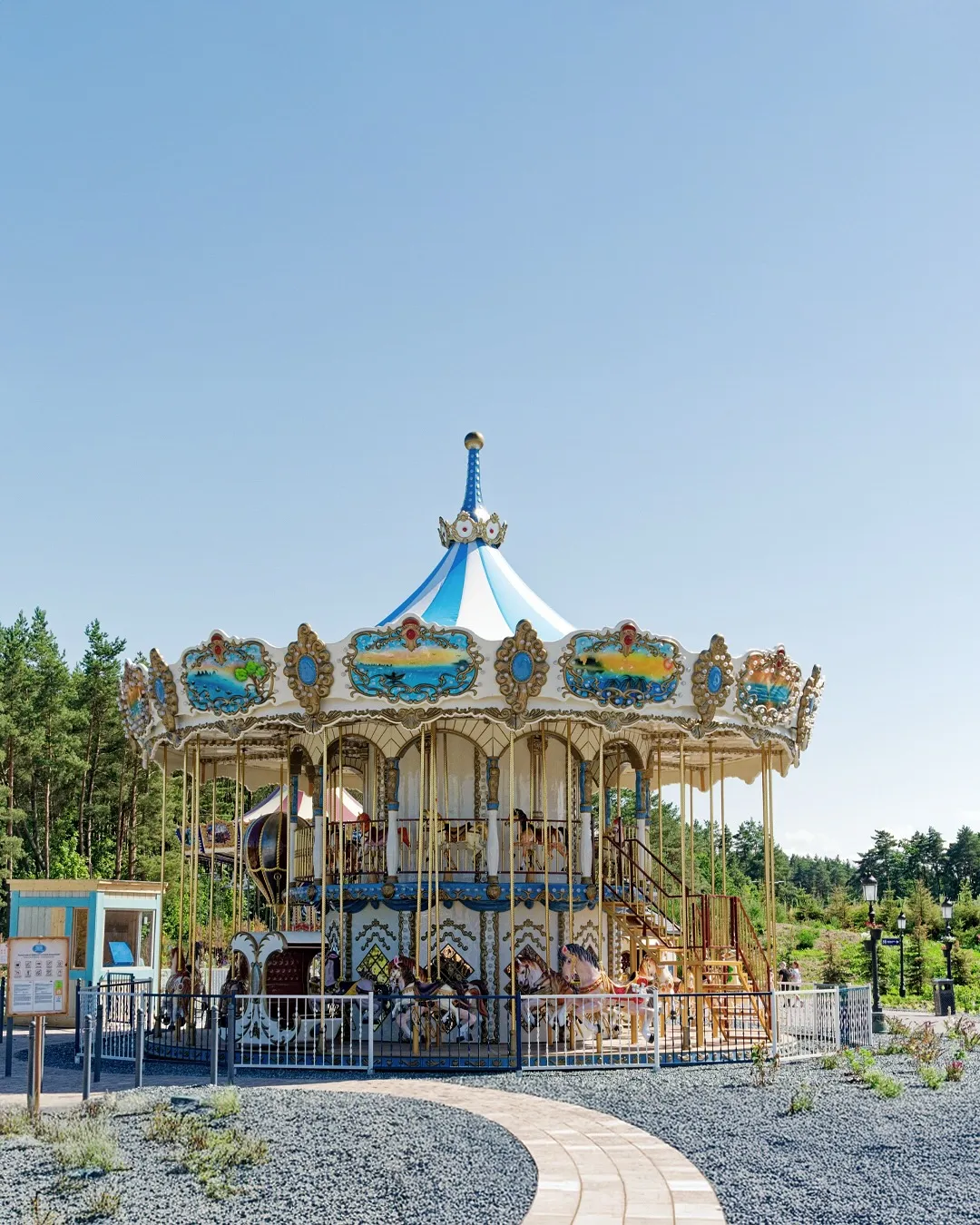
Carousels: A classic ride where participants sit on colorful horses or other animals, which go up and down as the carousel spins.
Teacups: Riders sit in giant teacups that spin and tilt, creating a dizzying yet enjoyable experience.
Gravitrons: A ride where participants are pressed against the walls as the ride spins at high speeds, simulating a zero-gravity experience.
Game booths add an element of competition and fun, with prizes ranging from small toys to large stuffed animals. Some common games include:
Ring Toss: Players attempt to throw rings onto bottles or pegs to win prizes.
Balloon Darts: Participants throw darts at balloons to pop them and win rewards.
Skill-Based Games: These include basketball shooting, soccer goals, and other activities that test hand-eye coordination.
Fairgrounds are a haven for food lovers, offering a wide array of treats:
Sweet Treats: Cotton candy, candy apples, and donuts are staples, providing a sugary delight.
Savory Snacks: Hot dogs, burgers, and fries are popular choices for a quick meal.
International Cuisine: Many fairgrounds also feature dishes from around the world, such as sushi, kebabs, and tacos.
Live performances add to the festive atmosphere, with options like:
Magic Shows: Magicians perform tricks and illusions, captivating audiences of all ages.
Comedy Acts: Stand-up comedians and sketch performers provide laughter and entertainment.
Musical Performances: Bands and solo artists play a variety of music genres, from pop to rock.
Fairgrounds serve as community hubs, bringing people together to celebrate local traditions and events. They provide a platform for social interaction, fostering a sense of belonging and shared joy. During festivals, fairgrounds often feature cultural displays, such as traditional dances or art exhibitions, showcasing the heritage of the region.
Economic ImpactFairgrounds contribute significantly to local economies by generating revenue for businesses and creating jobs. They attract visitors from surrounding areas, boosting tourism and supporting local vendors. Additionally, fairgrounds often collaborate with charities and community organizations, raising funds for causes through events and donations.
Educational ValueMany fairgrounds incorporate educational elements, such as science exhibits or historical displays, making them valuable learning environments. For example, some fairs feature interactive demonstrations on physics principles or showcase the history of amusement rides.
Tips for Visitors to FairgroundsPlan AheadBefore visiting, research the fairgrounds’ schedule and attractions to prioritize must-see rides and shows. Check for any age or height restrictions to ensure everyone in your group can participate in the activities.
Budget WiselyFairgrounds can be expensive, so set a budget for rides, games, and food. Look for discounts or packages that offer better value for money. Consider bringing your own snacks and drinks to save on costs.
Prioritize SafetyAlways follow safety guidelines when riding attractions. Ensure children are supervised and wear appropriate clothing. Avoid wearing loose items that could get caught in machinery.
Enjoy the ExperienceTake your time to explore all the fairgrounds have to offer. Engage with performers, try new foods, and participate in games. Remember to capture memories with photos and videos, but also take moments to enjoy the experience in real-time.
ConclusionFairgrounds are more than just temporary amusement parks; they are vibrant cultural spaces that bring communities together, offer thrilling experiences, and create lasting memories. From their historical roots to modern-day innovations, fairgrounds continue to evolve, providing a mix of entertainment, education, and economic benefits. Whether you’re a thrill-seeker, a food lover, or someone looking to enjoy live performances, fairgrounds have something for everyone. By planning ahead, prioritizing safety, and embracing the festive atmosphere, visitors can make the most of their fairground experience, ensuring a day filled with fun, excitement, and joy.