What is Amusement Park?
An amusement park is a entertainment facility featuring a collection of amusement rides, attractions, games, and other experiences designed to thrill, entertain, and engage visitors of all ages. These parks are dedicated to providing fun, excitement, and memorable experiences through a variety of activities, from gentle family rides to extreme adrenaline-pumping roller coasters. Unlike theme parks, which often have a central narrative or theme (like fantasy worlds or movie universes), amusement parks focus primarily on the sheer enjoyment of rides and activities, though many incorporate thematic elements to enhance the experience.
The Evolution of Amusement ParksEarly OriginsThe concept of amusement parks can be traced back to ancient times when people gathered for festivals and fairs featuring games, performances, and simple rides. These early gatherings laid the foundation for what would become modern amusement parks. However, the true precursor to today’s amusement parks emerged in Europe during the 18th century with pleasure gardens. These venues, such as Vauxhall Gardens in London and Prater in Vienna, offered visitors a place to stroll, enjoy live entertainment, and experience early forms of rides like carousels and swing boats.
The Rise of Modern Amusement ParksThe modern amusement park began to take shape in the late 19th century, particularly in the United States. One of the earliest examples was Coney Island in New York, which became a popular destination for its numerous attractions, including roller coasters, Ferris wheels, and sideshow acts. Coney Island’s success inspired the development of other amusement parks across the country, such as Lake Compounce in Connecticut, which is considered the oldest continuously operating amusement park in North America.
The Golden Age of Amusement ParksThe early 20th century marked the golden age of amusement parks, with thousands of parks opening across the United States. These parks were often located along streetcar lines, making them easily accessible to urban populations. During this time, innovations like the electric trolley system and advancements in ride technology led to the creation of more sophisticated and thrilling attractions. However, the Great Depression and World War II brought significant challenges, leading to the closure of many parks.
The Modern EraToday’s amusement parks are marvels of engineering and creativity, offering a wide range of experiences tailored to diverse audiences. From the exhilarating roller coasters of Six Flags and Cedar Fair to the immersive thematic experiences of Disneyland and Universal Studios, amusement parks continue to evolve, incorporating cutting-edge technology and storytelling to create unforgettable experiences.
Types of Amusement ParksTraditional Amusement ParksTraditional amusement parks focus on providing a variety of rides and attractions without a strong overarching theme. These parks often cater to thrill-seekers with roller coasters, drop towers, and other high-intensity rides. They also include family-friendly attractions like carousels, bumper cars, and water rides. Examples include Six Flags and Cedar Fair parks.
Theme ParksTheme parks are a subset of amusement parks that revolve around a specific theme or narrative. These parks immerse visitors in a world of fantasy, adventure, or history, with attractions, architecture, and entertainment all designed to complement the theme. Disneyland and Universal Studios are prime examples, where every aspect of the park is meticulously crafted to create a cohesive experience.
Water ParksWater parks are specialized amusement parks that feature water-based attractions like slides, wave pools, and lazy rivers. These parks are designed to provide relief from the heat and offer a fun, aquatic experience. Examples include WaterWorld in California and Wet n Wild in Florida.
Family Entertainment Centers (FECs)Family entertainment centers are smaller-scale amusement parks that offer a mix of indoor and outdoor attractions, including mini-golf, arcade games, and go-karts. These centers cater to families looking for a more relaxed and affordable entertainment option. Examples include Dave & Busters and Chuck E. Cheese.
Key Attractions in Amusement ParksRoller CoastersRoller coasters are the iconic attractions of amusement parks, designed to provide a thrilling experience with twists, turns, and drops. There are various types of roller coasters, including wooden coasters, steel coasters, and inverted coasters, each offering unique sensations.
Ferris WheelsFerris wheels are large, rotating wheel structures with passenger cars attached to the rim. They offer panoramic views of the park and surrounding area, making them a popular choice for visitors looking for a more relaxed experience.
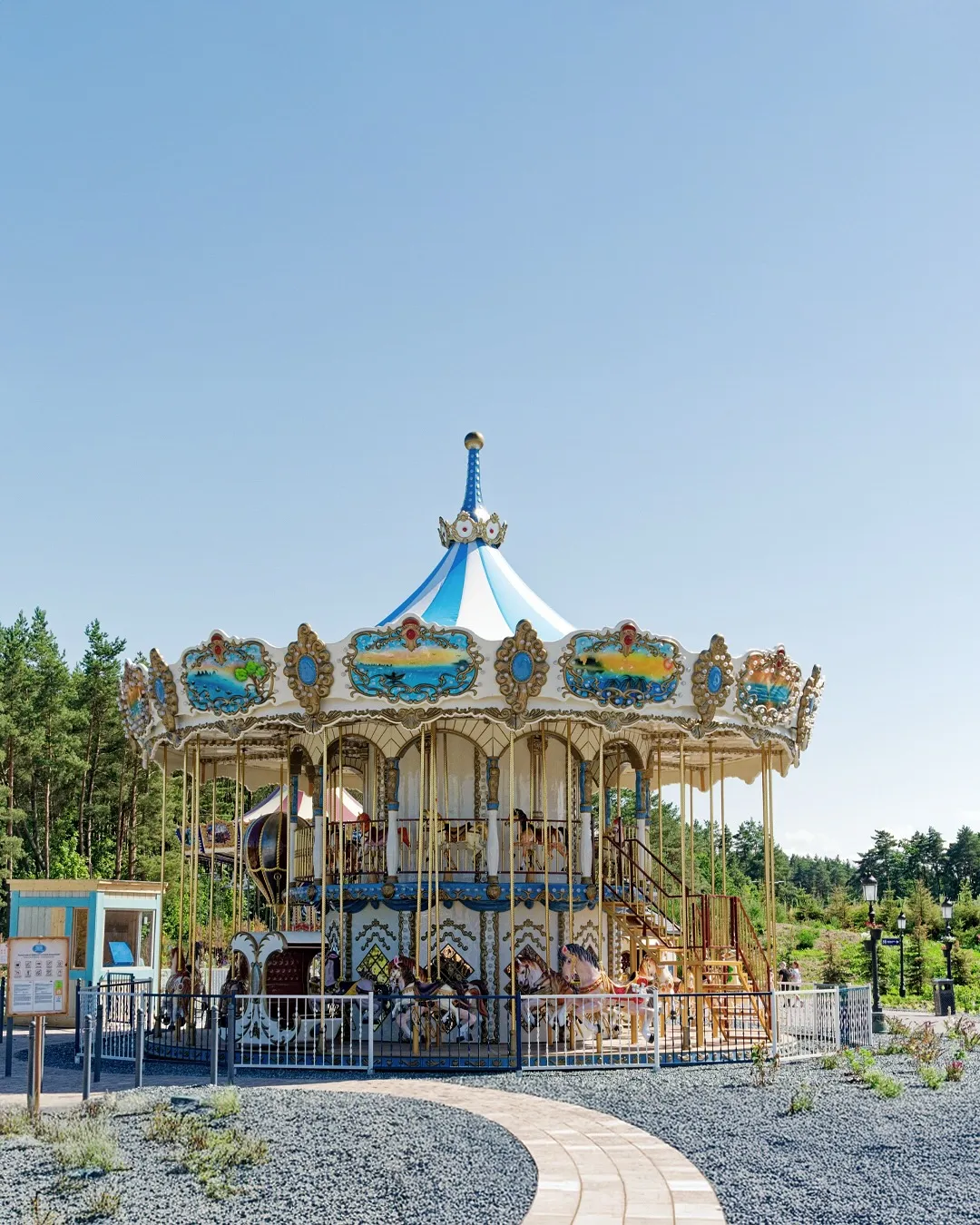
CarouselsCarousels, or merry-go-rounds, are classic amusement park attractions featuring rotating platforms with seats in the form of horses or other animals. They are often accompanied by music and are a favorite among children and families.
Water RidesWater rides, such as log flumes and rapids rides, combine excitement with a refreshing splash of water. These rides are particularly popular in hot weather and add an element of adventure to the park experience.
Dark RidesDark rides are indoor attractions where visitors embark on a guided journey through a series of scenes, often featuring special effects, animatronics, and storytelling elements. These rides provide a immersive experience without the intensity of roller coasters.
The Impact of Amusement ParksEconomic ImpactAmusement parks contribute significantly to the economy by generating revenue through ticket sales, merchandise, and food services. They also create jobs in various sectors, including ride operation, maintenance, and customer service.
Social ImpactAmusement parks serve as social hubs where people gather to create lasting memories. They foster community spirit through events, festivals, and shared experiences, bringing people together from all walks of life.
Technological AdvancementsThe amusement park industry has been a pioneer in adopting new technologies, from the early use of electric motors to the latest virtual reality and augmented reality experiences. These advancements not only enhance the visitor experience but also drive innovation in other industries.
Cultural InfluenceAmusement parks have a profound influence on popular culture, inspiring movies, TV shows, and literature. They often reflect societal trends and values, serving as a mirror to the times.
ConclusionAmusement parks are dynamic entertainment facilities that offer a wide range of experiences, from thrilling rides to immersive thematic worlds. They have evolved over centuries, adapting to technological advancements and changing societal preferences. Whether you’re seeking adrenaline-pumping excitement or a family-friendly day out, amusement parks provide a unique blend of fun, adventure, and entertainment. As they continue to innovate and grow, amusement parks remain a beloved part of global culture, bringing joy and excitement to millions of visitors each year.