Understanding the Pricing Factors of Kiddie Amusement Rides: A Guide for Importers
For overseas entrepreneurs and small-scale amusement park operators looking to source kiddie rides from China, understanding the pricing factors is crucial to making informed purchasing decisions. The cost of these delightful attractions for children isn’t static; it’s influenced by a complex interplay of design elements, production processes, and market dynamics.
By comprehending these variables, buyers can better budget for their projects and negotiate more effectively with suppliers.
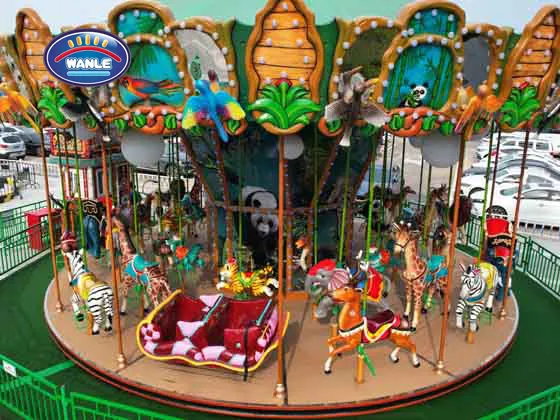
The intricacy of a ride’s design significantly impacts its price. Simpler models with basic mechanical functions tend to be more affordable than sophisticated ones featuring advanced movements, multiple directions, or interactive elements. For example, a stationary animal-shaped ride with gentle rocking motions will generally cost less than a dynamic carousel with spinning and features.
Customization also plays a substantial role. Buyers who request modifications to standard designs – whether it’s changing the vehicle’s appearance, adding branded elements, or integrating special sound effects – can expect higher costs. These alterations often require additional engineering work, new tooling, and more labor-intensive production processes. The degree of customization needed directly correlates with the price increase, as each unique specification demands extra attention and resources from manufacturers.
Material Quality and Durability ConsiderationsThe choice of materials fundamentally affects both the ride’s price and its longevity. High-quality components that ensure durability and safety – such as reinforced metal frames, UV-resistant plastics, and premium upholstery – come at a premium compared to cheaper alternatives. Rides constructed with superior materials may have higher upfront costs but typically offer better value over time due to reduced maintenance needs and longer service life.
Safety certifications add another layer to material costs. Compliance with international safety standards often necessitates the use of specific materials and testing procedures, which can increase production expenses. Buyers must weigh the initial investment against the long-term benefits of having a certified, durable product that can withstand intensive commercial use in amusement settings.
Production Scale and Order QuantitiesEconomies of scale significantly influence per-unit pricing in the manufacturing of kiddie rides. Larger orders usually benefit from reduced per-unit costs due to optimized production processes, bulk material purchasing, and more efficient labor allocation. Manufacturers can spread fixed costs across more units when producing in larger quantities, which translates to better pricing for buyers.
Minimum order quantities (MOQs) set by suppliers can also affect pricing structures. While ordering the MOQ may offer the most favorable per-unit price, buyers must carefully assess their storage capacity and market demand to avoid overstocking. Some manufacturers offer tiered pricing models where per-unit costs decrease at specific order quantity thresholds, providing flexibility for buyers with different purchasing power.
Technological Features and Automation LevelsThe incorporation of advanced technology into kiddie rides can substantially impact their price. Modern features such as digital music systems, LED lighting effects, interactive touch panels, or computerized motion control systems add sophistication – and cost – to the final product. These technological enhancements not only improve the user experience but also often require more complex manufacturing processes and higher-quality components.
Automation in production processes also plays a role in pricing. Manufacturers with more automated assembly lines may offer competitive pricing due to increased efficiency and reduced labor costs, though this advantage doesn’t always translate directly to lower prices for buyers. The balance between technological features and production automation ultimately affects the market price of kiddie rides.
Market Dynamics and Seasonal Demand FactorsThe amusement industry is subject to seasonal fluctuations that can influence pricing. periods of high demand, such as during summer months or holiday seasons, may see slight price increases due to heightened market activity. Conversely, during slower periods, suppliers might offer more favorable pricing to maintain production momentum.
Broader market trends, including raw material price fluctuations and shifts in consumer preferences, can also impact ride pricing. Buyers should stay informed about industry developments to anticipate potential price changes and plan their purchasing strategies accordingly. Understanding these market dynamics allows importers to make more strategic decisions about when to place orders.
Transportation and Logistics CostsFor international buyers, transportation expenses represent a significant portion of the total cost. The distance between manufacturing facilities and the destination country, along with chosen shipping methods, can substantially affect final pricing. Larger rides or those requiring special packaging due to their size or fragility may incur higher shipping costs compared to more compact models.
Logistics considerations also include customs duties, taxes, and insurance fees, which vary by destination country. Buyers should factor these additional costs into their budgeting when evaluating the overall price of importing kiddie rides from China. Some suppliers offer door-to-door delivery services, which can simplify the process but may come at a premium compared to standard shipping options.
After-Sales Support and Warranty ServicesThe level of after-sales support provided by manufacturers can influence pricing. Suppliers offering comprehensive warranties, readily available spare parts, and technical assistance typically charge more for their products. This added cost reflects the value of having reliable support available should any issues arise with the rides after purchase.
For businesses prioritizing long-term operational continuity, investing in rides backed by strong after-sales service can be economically advantageous despite the higher initial price. The availability of local service representatives or quick access to replacement parts minimizes downtime and maintains customer satisfaction, making these services a worthwhile consideration for buyers.
Competitive Landscape and Supplier PositioningThe competitive environment among Chinese manufacturers affects pricing strategies. Established suppliers with strong reputations for quality and reliability may command higher prices compared to newer entrants or less known producers. This price difference often reflects the supplier’s track record, production capabilities, and ability to consistently deliver high-quality products.
Buyers should consider supplier positioning when evaluating pricing. While it may be tempting to choose the lowest-cost option, partnering with reputable manufacturers can provide peace of mind and reduce the risk of receiving substandard products. The balance between cost and quality is a critical decision point for importers looking to build sustainable businesses in the amusement industry.
Regulatory Compliance and Safety StandardsAdherence to international safety regulations and industry standards impacts pricing. Manufacturers that invest in testing and certification processes to ensure their products meet or exceed safety requirements typically have higher production costs. These expenses are passed on to buyers in the form of higher prices, but they also provide assurance that the rides meet stringent safety criteria.
Compliance with various international standards may require additional design modifications, material upgrades, or testing procedures, all of which contribute to increased production costs. Buyers should view these added expenses as investments in customer safety and product reliability, particularly when operating in markets with strict safety regulations.
Currency Exchange Rate FluctuationsFor international buyers, currency exchange rate movements can significantly affect the final cost of imported kiddie rides. Fluctuations in exchange rates between the buyer’s local currency and the Chinese yuan can either increase or decrease the effective price of the products. Buyers should monitor currency trends and consider hedging strategies to mitigate exposure to unfavorable exchange rate movements.
Some manufacturers offer pricing in multiple currencies or provide quotes with exchange rate protection clauses, which can help buyers manage this variable aspect of international trade. Understanding how currency exchange rates impact pricing allows buyers to make more informed decisions about when to place orders and how to structure their financial planning.
ConclusionThe pricing of kiddie amusement rides from China is determined by a multifaceted combination of design aspects, production requirements, and market forces. By understanding these various factors – from design complexity and material quality to production scale and market dynamics – overseas buyers can develop more effective purchasing strategies. Savvy importers who grasp these pricing elements are better positioned to negotiate favorable terms, select the most appropriate products for their needs, and ultimately build successful amusement businesses that delight children and families worldwide.