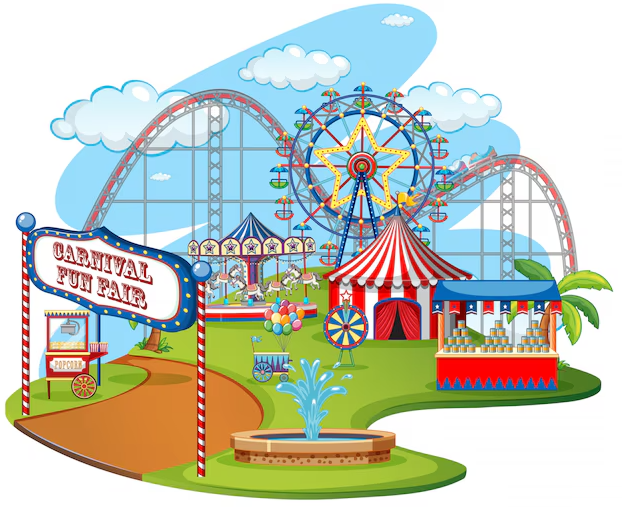
How to build amusement park
Building an amusement park starts with a unique theme—whether fantasy, adventure, or family-friendly—that sets your park apart. Secure a accessible location, design a layout with clear pathways, and select diverse rides to thrill all ages.
Prioritize safety, efficient operations, and marketing to attract visitors. Engage the community through events and sustainability efforts to ensure long-term success. With passion and planning, your park can become a beloved destination.
Building an amusement park is a monumental undertaking that blends creativity, engineering, and meticulous planning. Whether you’re envisioning a family-friendly destination or an adrenaline-fueled thrill zone, the process requires careful consideration of every element. Here’s a comprehensive exploration of how to transform an idea into a vibrant reality.
1. Conceptualizing Your VisionThe foundation of any successful amusement park lies in its unique theme. A well-defined concept sets the tone and attracts visitors. For instance, a park themed around global cultures could feature distinct zones like an “Asian Corner” with traditional tea houses and calligraphy workshops, a “European Square” showcasing folk dance performances, and an “African Village” offering drum music and craft markets. This approach creates immersive experiences that resonate with diverse audiences. Alternatively, a nature-inspired park might focus on botanical gardens or eco-friendly rides, emphasizing sustainability and harmony with the environment. The key is to ensure the theme is cohesive and adaptable to various age groups and interests.
2. Site Selection and Layout DesignChoosing the right location is critical. Factors include accessibility, local demographics, and environmental impact. A site near urban centers or tourist hubs ensures higher footfall, while rural areas might offer cost savings and scenic vistas. Once selected, the layout should optimize flow and guest experience. Main thoroughfares should lead to attractions, with rest areas, food courts, and restrooms strategically placed to prevent congestion. For example, a central “Global Cuisine Hall” can serve as a gathering point, offering diverse culinary options. Landscaping plays a vital role too—incorporating green spaces, water features, and thematic décor enhances ambiance and encourages exploration.
3. Attractions and RidesRides are the heart of an amusement park, and their selection depends on your target audience. Family-oriented parks might include gentle roller coasters, carousels, and interactive play zones, while adventure parks could feature high-speed drops, virtual reality experiences, or water-based attractions. Innovation is essential; incorporating technology like augmented reality or motion-simulated rides keeps offerings fresh and engaging. Maintenance and safety protocols must be rigorous, with regular inspections and staff training to ensure guest security. Balancing thrill levels with accessibility ensures broad appeal.
4. Operational LogisticsEfficient operations are the backbone of daily success. This includes staffing, ticketing, and crowd management. Online ticket sales via a dedicated app or website streamline entry, while dynamic pricing strategies (discounts for students or seasonal promotions) can boost attendance. Guest services, such as information kiosks and lost-and-found centers, enhance satisfaction. Additionally, collaborations with local vendors for food and merchandise can enrich the visitor experience while supporting community ties.
5. Marketing and Community EngagementA robust marketing strategy is vital to build anticipation and sustain interest. Social media campaigns, influencer partnerships, and events like seasonal festivals or themed nights create buzz. For example, hosting a “New Year’s Countdown” with live music and fireworks can draw large crowds. Community engagement fosters goodwill; partnering with schools for educational programs or offering volunteer opportunities strengthens local ties. Positive word-of-mouth and online reviews amplify reach, making the park a must-visit destination.
6. Sustainability and Future GrowthModern amusement parks prioritize sustainability to align with eco-conscious values. Implementing renewable energy sources, waste reduction initiatives, and water-saving technologies minimizes environmental impact. Future growth should focus on adaptability—regularly updating attractions based on guest feedback and technological trends ensures long-term relevance. A park that evolves with its audience remains a beloved institution for generations.
In conclusion, building an amusement park is a multifaceted journey that demands passion, precision, and perseverance. From conceptualizing a captivating theme to executing seamless operations, every decision shapes the guest experience. By focusing on innovation, safety, and community values, you can create a magical space where memories are made and laughter echoes through the air.