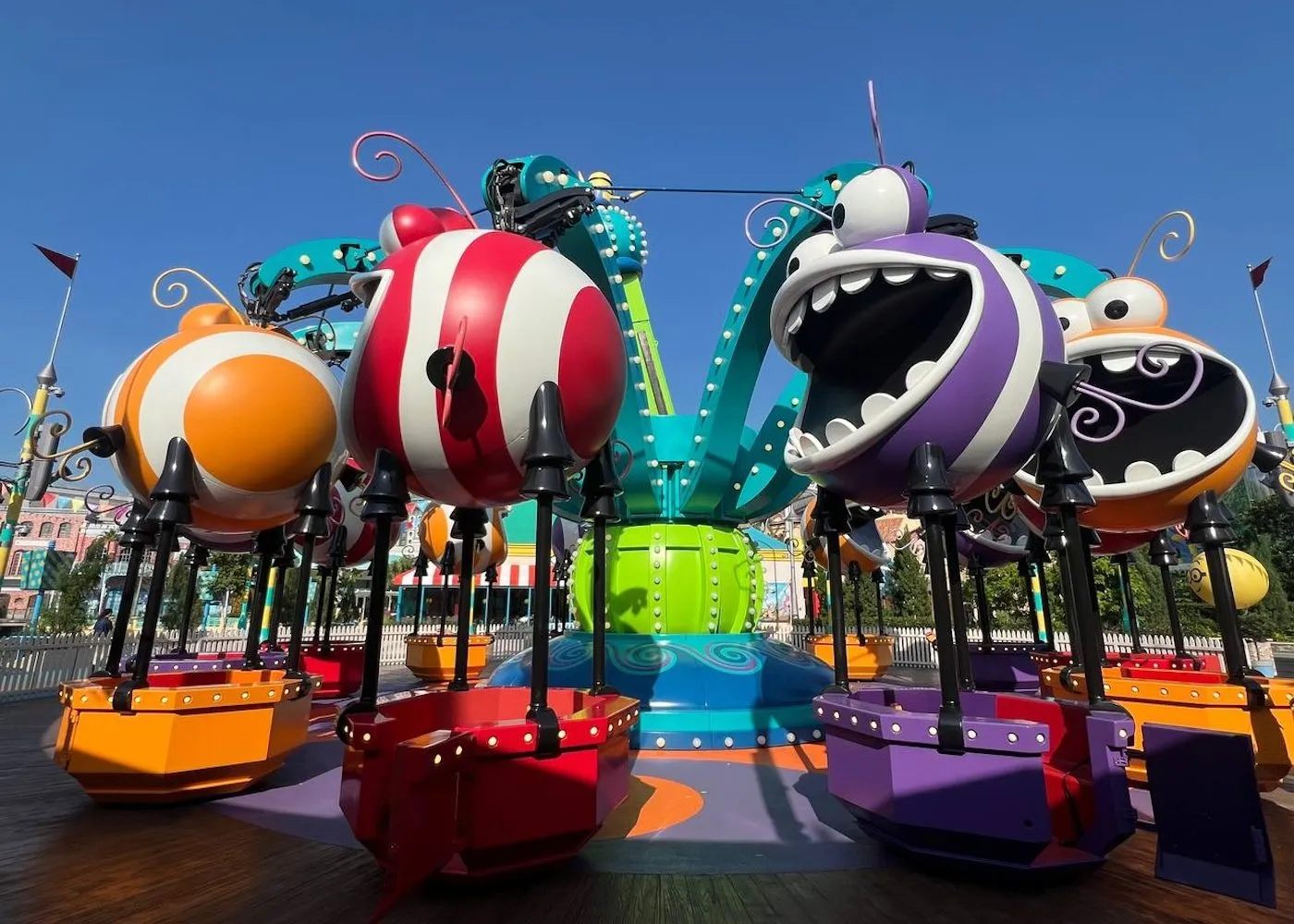
What to consider to start amusement park business in my country
Starting an amusement park in your country requires careful planning. First, research local demand and competition to identify your target audience. Secure a suitable location with good accessibility and affordable land costs.
Ensure compliance with safety regulations and obtain necessary permits. Develop a detailed budget covering equipment, staffing, and maintenance.
Sourcing rides from China offers cost-effective, high-quality options with customization potential. Finally, create a strong marketing strategy to attract visitors year-round.
The amusement park industry is a dynamic sector that blends entertainment, hospitality, and recreation into a single unforgettable experience. Globally, this industry has demonstrated remarkable resilience, with themed attractions generating substantial revenue even during economic downturns. The core appeal lies in its ability to cater to diverse audiences—families seeking wholesome fun, thrill-seekers craving adrenaline rushes, and tourists looking for unique cultural experiences. Successful parks like Disneyland and Universal Studios showcase how immersive storytelling and cutting-edge rides create lasting memories, while local water parks and carnivals prove that smaller-scale ventures can thrive with targeted offerings. This dual potential makes the industry attractive for both corporate investors and independent entrepreneurs, provided they understand the delicate balance between entertainment value and operational sustainability.
Essential Steps to Launch Your Amusement ParkLaunching an amusement park requires meticulous planning across five critical phases. First, market research forms the foundation—analyze local demographics, competition, and seasonal tourism patterns to identify untapped opportunities. A family-friendly park might succeed in a suburb with young populations, while an adventure-focused attraction could thrive in urban areas with high foot traffic. Second, site selection must balance accessibility with cost-effectiveness; proximity to highways or tourist hubs boosts visibility, but remote locations offer cheaper land prices at the expense of convenience. Third, regulatory compliance demands navigating zoning laws, safety certifications, and environmental permits—a process that can take months if underestimated. Fourth, financial planning should account for both fixed costs (land, infrastructure) and variable expenses (staff, maintenance), with contingency funds for unexpected delays. Finally, stakeholder engagement involves securing investor confidence, building community goodwill, and forging partnerships with local businesses to create a supportive ecosystem. Each phase interlinks: poor site analysis may lead to regulatory hurdles, while inadequate funding can stall construction indefinitely. By treating these steps as interdependent components, entrepreneurs lay a resilient groundwork for long-term success.
Sourcing Equipment from China: A Strategic AdvantageWhen sourcing amusement park equipment, China emerges as a strategic partner due to its unparalleled manufacturing capabilities and cost efficiencies. Chinese manufacturers dominate the global market by offering high-quality rides at competitive prices, with production costs often 30-50% lower than Western counterparts. This affordability stems from advanced supply chains, economies of scale, and specialized industrial clusters—such as Zhongshan in Guangdong province, which houses over 1,000 amusement equipment factories. Beyond cost savings, Chinese suppliers provide customization options tailored to niche themes or space constraints, from compact kiddie rides to gravity-defying roller coasters. Their technical expertise is evidenced by certifications like ISO 9001 and CE marks, ensuring compliance with international safety standards. However, procurement requires diligence: verifying factory audits, negotiating warranties, and clarifying logistics terms (FOB vs. CIF) are essential to mitigate risks. For entrepreneurs balancing budget and quality, China’s blend of innovation and affordability makes it a pragmatic choice for building a distinctive attraction.
Operational and Marketing Strategies for SuccessOnce the foundation is laid, operational and marketing strategies become the lifeblood of your amusement park. Staff training is paramount—employees must not only operate rides safely but also embody the park’s theme, enhancing guest experience through interactive storytelling. Seasonal programming, such as Halloween haunted nights or Christmas light displays, can drive repeat visits and extend revenue beyond peak months. Digital marketing leverages social media platforms to create buzz with behind-the-scenes content, influencer collaborations, and user-generated photo contests. Partnerships with local schools or corporate groups can also secure bulk ticket sales. Importantly, maintain a feedback loop to continuously refine offerings based on visitor preferences. A well-executed operational plan ensures that your park remains a vibrant destination, turning first-time visitors into loyal advocates.