How to Design an Amusement Theme Park for Park Owners
Creating a successful amusement theme park requires meticulous planning, innovative theme park design, and a deep understanding of visitor expectations. Park owners must balance entertainment value with operational efficiency while ensuring safety and sustainability.
This guide explores key considerations for designing a theme park that captivates audiences and delivers long-term profitability.
The foundation of any theme park design lies in identifying the target demographic. Families with young children, thrill-seeking teenagers, and adult enthusiasts each have distinct preferences. A well-designed park incorporates diverse attractions to cater to these segments, ensuring broad appeal.
Demographic SegmentationFamily-oriented areas should feature gentle rides, interactive exhibits, and shaded resting zones. Teenagers and young adults often favor high-speed roller coasters and immersive experiences. Meanwhile, adults may appreciate gourmet dining, live performances, and themed environments that evoke nostalgia or fantasy.
Conceptualizing the ThemeA compelling theme unifies the park’s design, transforming it from a collection of rides into a cohesive narrative. Themes can range from fairy tales and historical eras to futuristic worlds or pop culture franchises. The chosen theme dictates architecture, landscaping, and even staff costumes.
Thematic ConsistencyEvery element within the park should reinforce the theme. For example, a pirate-themed park might feature wooden walkways, shipwreck props, and treasure-hunting activities. Consistency prevents visual dissonance and enhances immersion, making the experience memorable for visitors.
Ride and Attraction SelectionRides are the heart of a theme park, but their selection must align with the park’s scale and budget. Iconic roller coasters, water rides, and dark rides are staples, but unique, custom-designed attractions can differentiate a park from competitors.
Balancing Variety and CohesionA mix of thrill rides, family-friendly attractions, and interactive experiences ensures repeat visits. However, overcrowding a park with too many rides can overwhelm visitors. Strategic spacing and thematic grouping of attractions improve flow and guest satisfaction.
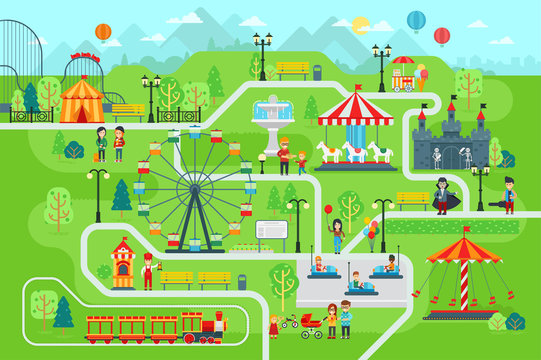
Layout and NavigationAn intuitive layout minimizes congestion and maximizes enjoyment. Pathways should guide visitors naturally through themed zones, with clear signage and visual landmarks. Central hubs with restrooms, dining, and shade provide respite without disrupting the journey.
Efficient Crowd ManagementWide walkways, multiple entry points to popular attractions, and virtual queuing systems reduce wait times. A well-designed park anticipates peak hours and distributes traffic evenly, preventing bottlenecks that frustrate guests.
Sustainability and Future-ProofingModern theme parks must prioritize eco-friendly practices to meet regulatory standards and guest expectations. Solar panels, water recycling systems, and energy-efficient lighting reduce operational costs and environmental impact.
Adapting to TrendsTechnology evolves rapidly, and parks must stay ahead. Augmented reality experiences, mobile apps for ticketless entry, and dynamic ride customization can enhance engagement. Future-proofing ensures the park remains relevant as visitor preferences shift.
ConclusionDesigning an amusement theme park is a multifaceted endeavor that demands creativity, strategic planning, and a focus on visitor experience. By understanding audience needs, crafting a compelling theme, selecting diverse attractions, optimizing layout, and embracing sustainability, park owners can create a destination that delights guests and stands the test of time.