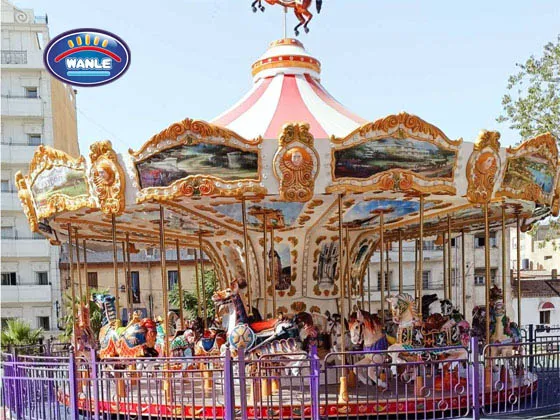
How to choose Carousel Rides for theme park business
Selecting the appropriate carousel rides for a theme park requires careful consideration of market trends, technical specifications, and long-term business viability.
This guide provides a comprehensive framework for decision-making, ensuring investments align with visitor demographics and operational goals.
Carousels remain staple attractions in amusement parks, appealing to families and younger audiences. Key factors influencing selection include:
Thematic Integration: Compatibility with the park’s overarching theme, whether fairy tale, vintage, or futuristic.
Capacity Requirements: Balancing ride throughput with available space during peak hours.
Maintenance Feasibility: Evaluating spare parts availability and technical support networks.
1. Mechanical Systems
Modern carousels typically feature two drive systems:
Chain-Driven: Traditional mechanism requiring regular lubrication
Direct-Drive: Low-maintenance electric motors with energy efficiency advantages
2. Artistic Customization
Artistic elements significantly enhance visitor appeal. Customizable features include:
Hand-carved wooden animal replicas
LED lighting synchronized with music
Themed canopy designs reflecting park motifs
Safety Compliance
All carousel rides must adhere to regional safety standards, including:
Emergency stop mechanisms within operator reach
Non-slip flooring around loading platforms
Height restrictions clearly displayed
Revenue Potential
Maximizing profitability involves:
Tiered pricing for premium seating options
Photo package integration with ride motion sensors
Seasonal decoration upgrades for holiday events
Future-proofing carousel investments requires:
Modular design allowing component upgrades
Manufacturer partnerships for firmware updates
Scalability for park expansion phases
The strategic selection of carousel rides combines technical assessment with market foresight. By prioritizing thematic cohesion, operational efficiency, and revenue potential, theme park operators can acquire enduring attractions that deliver consistent visitor satisfaction and financial returns.
Where to Buy Carousel Rides for Theme Park BusinessThe selection of carousel rides significantly impacts a theme park’s visitor experience and operational efficiency. This comprehensive guide explores global procurement options for amusement operators, emphasizing factors like supplier reliability, customization capabilities, and long-term maintenance support.
Key Procurement ConsiderationsBefore identifying suppliers, operators must define technical specifications based on park demographics. Primary considerations include:
Target Audience: Family-oriented parks may prioritize child-friendly designs with lower rotation speeds, while thrill-seeking venues might opt for hybrid models combining traditional mechanics with augmented reality elements3.
Space Constraints: Compact urban parks require vertical carousel designs, whereas sprawling resorts can accommodate grand classic models with elaborate canopy structures.
Thematic Integration: Suppliers offering modular customization allow seamless blending with park narratives, whether fantasy, historical, or futuristic themes.
1. Chinese Manufacturers
China dominates the amusement equipment sector with competitive pricing and scalable production. Guangdong-based factories specialize in export-oriented models featuring:
Galvanized steel frames with anti-corrosion treatment
Energy-efficient LED illumination systems
Multilingual control interfaces for international operators
Procurement through trade platforms like Alibaba requires verifying ISO 9001 certifications and requesting third-party inspection reports2.
2. European and North American Providers
Established brands in Germany and the U.S. cater to premium markets with:
Hand-carved wooden animals by artisan craftsmen
Custom soundtracks with royalty-free music licenses
ADA-compliant boarding platforms
These suppliers often provide turnkey solutions including installation training and annual maintenance contracts, though lead times typically exceed 12 weeks.
3. Regional Distributors
Local leasing companies in tourist hotspots offer:
Short-term rental options for seasonal events
Modular carousel units with quick-swap themes
Bundled insurance coverage for liability protection
This approach minimizes capital expenditure but may limit long-term branding opportunities.
Operators should conduct multi-stage assessments:
Production Capacity: Annual output metrics indicating ability to handle bulk orders
Compliance Documentation: CE, ASTM, and TUV certifications for target markets
After-Sales Network: Availability of regional technicians and spare parts warehouses
Virtual factory tours and sample component testing mitigate risks associated with overseas procurement.
Emerging market preferences include:
Hybrid Models: Combining mechanical rotation with interactive projections for enhanced engagement
Sustainable Materials: Recycled aluminum components and solar-powered operation systems
Smart Maintenance: IoT-enabled sensors predicting component failures before they occur
Forward-thinking suppliers now provide lifecycle cost analyses comparing energy consumption and repair frequency across models.
Strategic procurement of carousel rides demands balancing immediate budgetary constraints with long-term visitor satisfaction metrics. By leveraging supplier specialization in mechanical durability, thematic adaptability, and operational support, theme park operators can acquire attractions that deliver enduring entertainment value while aligning with broader business objectives.